Grow
Put a neighborhood-sized plot to work producing food and demonstrating what local land can support.
Founder · Sustainability strategist · Partnership builder
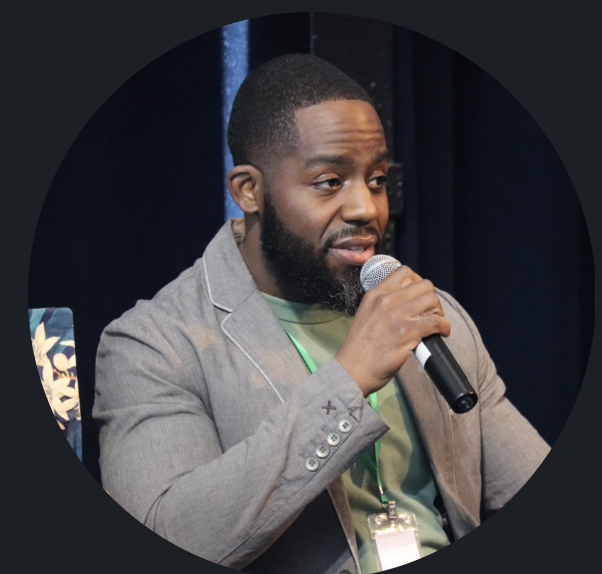
In 2016, Doug Adams bought the vacant quarter-acre beside his childhood home. He grew it into New Brooklyn Farms, then carried that ground-level perspective into sustainability, technology, environmental markets, and cross-sector programs.
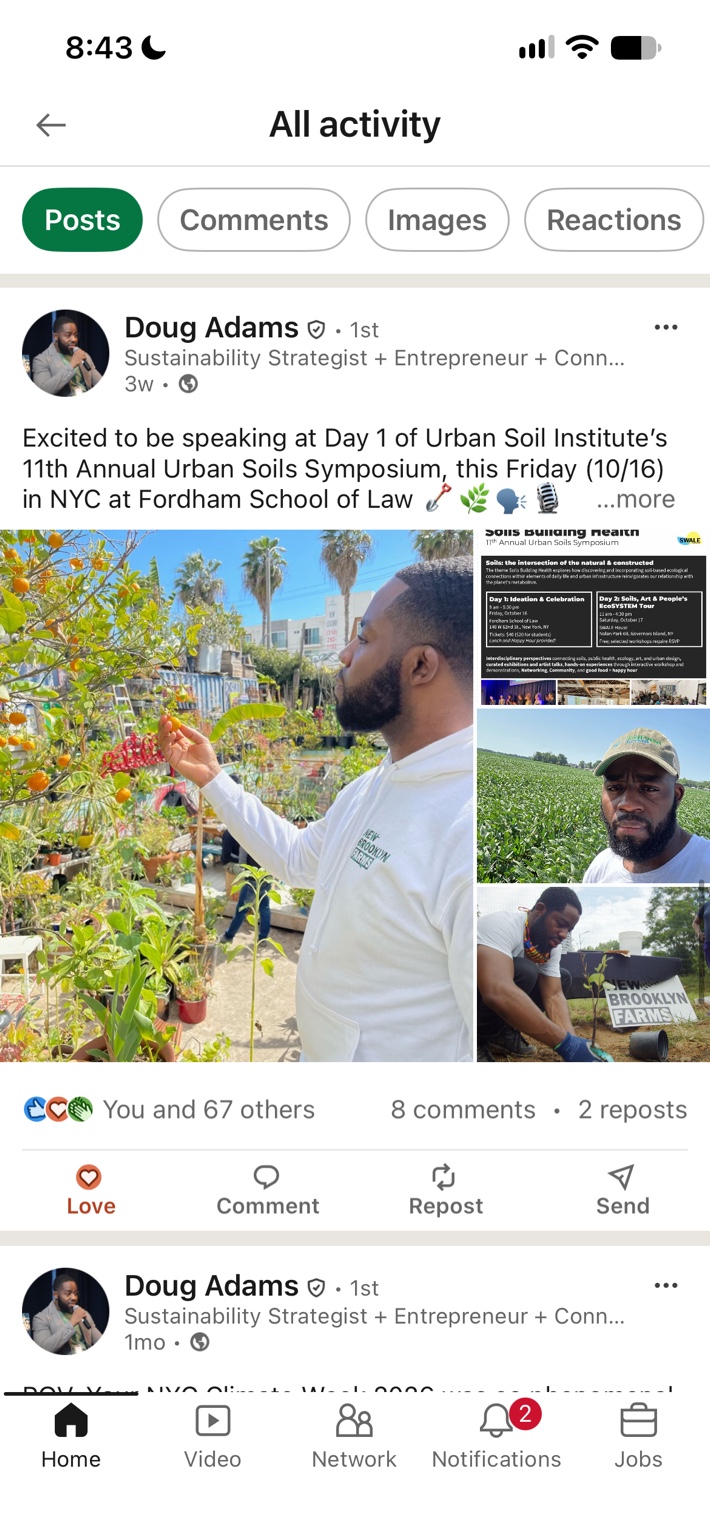
Land beside Doug’s childhood home went up for sale. He bought the vacant quarter-acre and started growing food. The idea became New Brooklyn Farms: an urban farm, a green event space, and a place for local food entrepreneurs to take root.
That first project still shapes his work: begin with the real conditions on the ground, build with the people closest to them, then connect the right partners to make progress last.
“I decided I’d take a shot at growing food.” Doug Adams · Modern Farmer, 2023
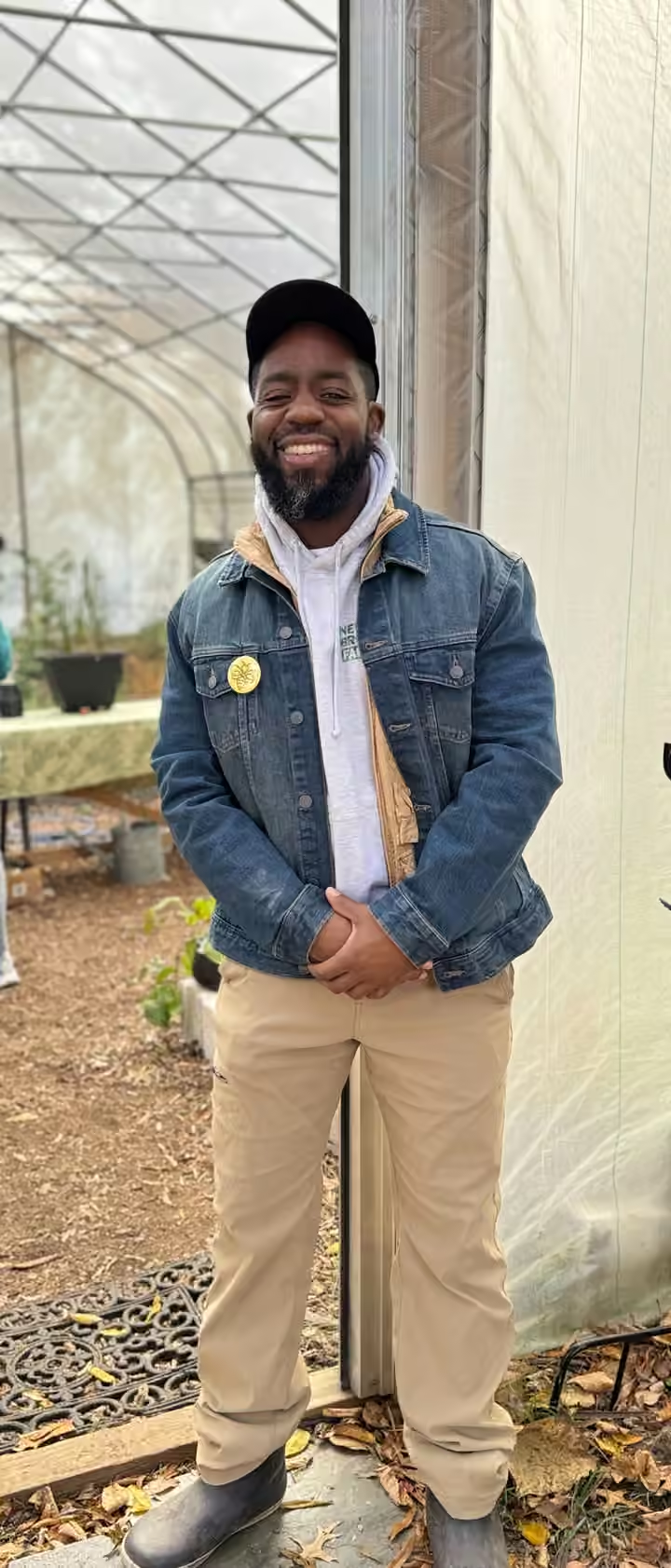
New Brooklyn Farms grew from a vacant quarter-acre beside Doug’s childhood home. It brings together urban agriculture, a green event space, and local food entrepreneurs—making room for growing, gathering, and community business in one place.
Put a neighborhood-sized plot to work producing food and demonstrating what local land can support.
Use a green event space to bring people together around food, learning, and community.
Support local food entrepreneurs and connect their work with community partners.
Farm life / shared experience
Scrub through the milestones. The setting changes—from a farm lot to large-scale programs—but the work keeps coming back to people, partnerships, and delivery.
CHAPTER 01 / THE GROUND
Doug bought a vacant quarter-acre beside his childhood home in Mount Rainier and began growing food. That decision became New Brooklyn Farms.
Across member organizations, partner teams, and research portfolios, Doug brings structure to collaboration—setting a shared plan, tracking the work, and keeping milestones moving.
As Manager, Member Engagement, and later Senior Manager, Partnerships, Doug led member programming and relationship work across an ecosystem services consortium.
Doug managed finance for strategic partnerships and coordinated budgets, forecasts, compliance, partner reporting, and milestones for a multi-partner lettuce research consortium.
At Meta, Doug served as a Senior Technical Program Manager, aligning teams across product, engineering, design, data, integrity, legal, and operations.
Doug connected product goals to delivery plans—helping cross-functional teams see dependencies, surface risks, and prepare launches against integrity standards.
Doug’s writing connects policy, farm economics, and measurable environmental outcomes. His perspective starts with what a program makes possible, then asks how growers can keep creating value over time.
Doug’s article explains how public support can help farmers adopt regenerative practices, while outcome-based markets can reward the verified soil, water, and climate benefits those practices deliver.
Read Doug’s article on ESMCHe recognizes how public programs can reduce adoption risk while asking how farmers are compensated for the outcomes that follow.
His article shows how practice-based programs and voluntary environmental markets can complement each other.
He translates soil, water, and climate results into practical opportunities for farm income and supply-chain resilience.
Doug examines how volatile commodity markets affect farm planning, and how verified environmental outcomes can create a more durable source of value alongside traditional crop revenue.
Read Doug’s article on ESMCWatch Doug’s featured videos here, then continue with a long-form conversation about urban agriculture, community health, and the people behind New Brooklyn Farms.
Doug Adams on growing community from the ground up.
Doug brings a practitioner’s perspective to agriculture, environmental markets, technology, and community development. As a speaker and panelist, he connects big systems to the people who work inside them—and turns complex questions into grounded, useful discussion.
Doug joined Gabriel Morales (Brandworkers), Tagan Engel (Yale & The Table Underground), and Steph Wiley (Brooklyn Packers) to discuss equitable access to land, capital, and markets—and how inclusive supply chains can support diverse food producers.
As an ESMC panelist, Doug connected market and partnership experience with the practical needs of food producers and communities.
For speaking, consulting, partnerships
For a project, a conversation, or a room that needs a grounded voice on agriculture, sustainability, and systems change, reach Doug through New Brooklyn Farms.